4 Dog Temperament Types Explained (Sanguine to Phlegmatic)
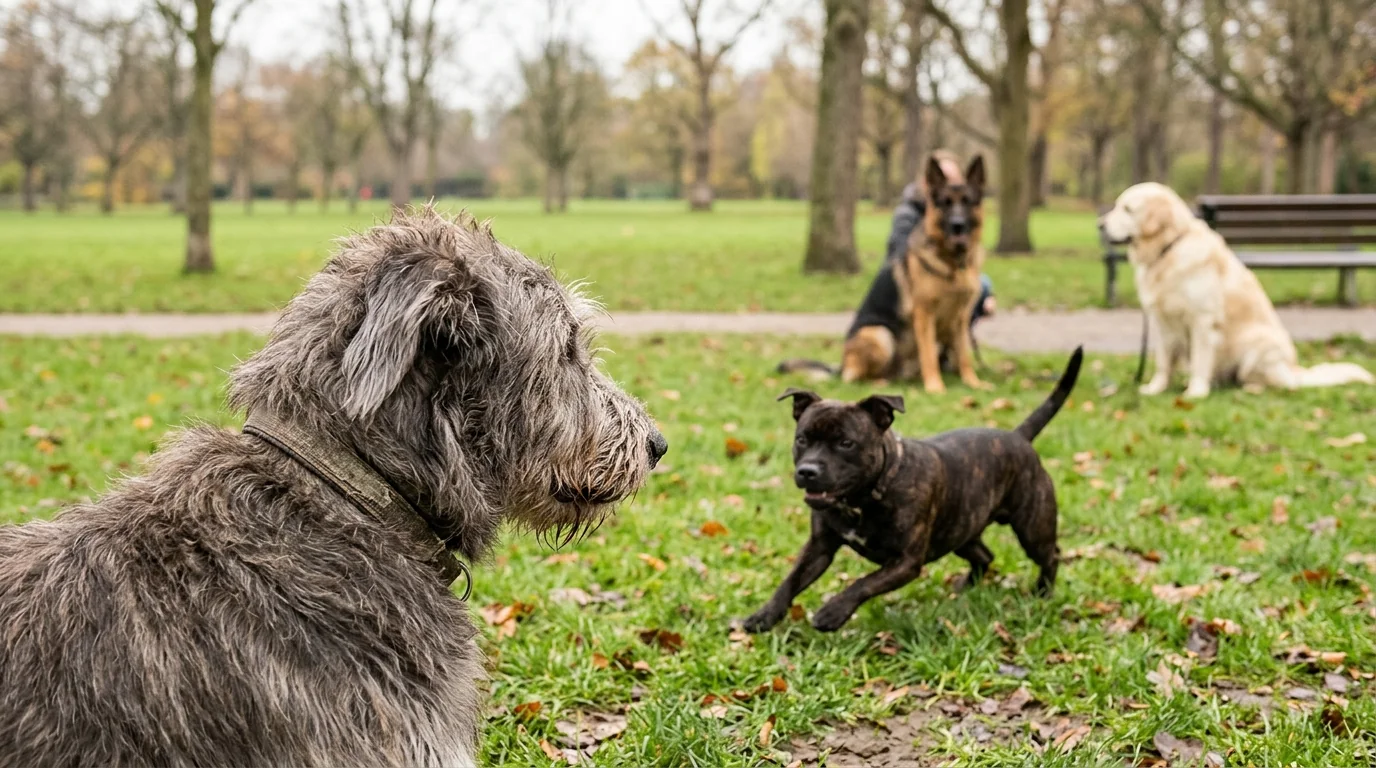
What are the four main types of dog temperaments?
Dog temperament is often grouped into four broad “style” categories that describe how a dog typically responds to people, new places, and everyday situations. While every dog is an individual—and training, socialization, and genetics all play a role—these four types offer a practical starting point for understanding behavior and choosing routines that set your dog up for success.
1) Sanguine (friendly and outgoing)
Sanguine dogs tend to be social, upbeat, and eager to interact. They often enjoy meeting new people and dogs, adapt quickly to change, and respond well to upbeat training with rewards and play. Because they can be excitable, they benefit from consistent manners training (like “sit to say hello”) and daily outlets for energy.
2) Choleric (confident and driven)
Choleric dogs are bold, focused, and motivated—often the type that likes a “job.” They may be more intense, quick to take charge, and highly responsive to structured training. Clear boundaries, predictable routines, and mentally challenging activities (obedience, scent games, puzzle feeders) help this temperament thrive.
3) Melancholic (sensitive and cautious)
Melancholic dogs are thoughtful, observant, and often slower to warm up. They may startle easily or feel unsure in chaotic environments. Gentle, patient handling and gradual exposure to new experiences can build confidence without overwhelming them. Harsh corrections can backfire with this temperament.
4) Phlegmatic (calm and easygoing)
Phlegmatic dogs are typically relaxed, steady, and content with a quieter pace. They can be wonderful companions in calmer households, though some may need extra encouragement to stay active and engaged. Short, frequent training sessions and fun, low-pressure games can keep them motivated.
For a deeper breakdown of how these temperaments show up in real life—and how to work with each style—visit the main guide: What are the four main types of dog temperaments?.
FAQ
How can I tell what temperament my dog has?
Watch how your dog reacts to new people, unfamiliar sounds, and changes in routine over several weeks. Consistent patterns—like being eager to greet, cautious and reserved, intensely driven, or calm and steady—usually point to a dominant temperament style.












Leave a comment