Signs of a Confident Child: 5 Behaviors to Notice
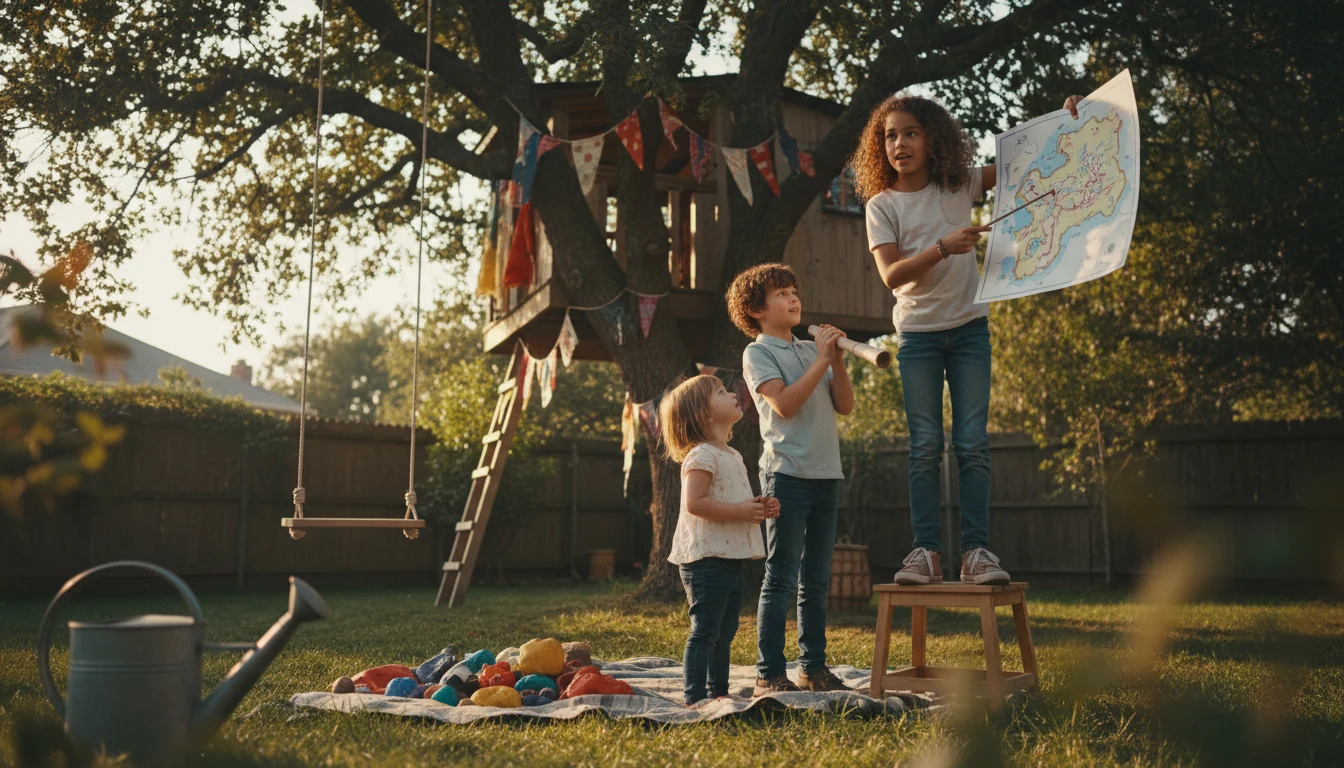
What are the signs that a child is confident?
Confident kids don’t look the same in every situation, but they tend to show a steady sense of “I can try.” Confidence is often easiest to spot in everyday moments—how a child approaches new tasks, handles mistakes, and relates to other people.
They try new things without needing constant reassurance
A confident child is more willing to join a game, attempt a new skill, or talk to a new adult, even if they feel a little nervous. They may ask questions, watch first, or start small—but they’re open to giving it a shot.
They handle mistakes with resilience
Instead of melting down or quitting immediately, confident kids can recover after errors. They might say, “Let me try again,” laugh it off, or accept help without feeling embarrassed. They’re less likely to see one mistake as proof they “can’t” do something.
They communicate needs and boundaries
Confidence shows up in simple, respectful self-advocacy: asking for a turn, saying “no thank you,” explaining a feeling, or requesting help. This can include standing up to minor peer pressure and making choices that match their comfort level.
They can enjoy independence—and return for support
Confident children often explore on their own, then “check back in” with a trusted adult. They’re comfortable being separate for a while, but they also know it’s safe to seek connection when they need it.
They show realistic pride, not perfectionism
Look for satisfaction in effort: “I practiced!” or “I worked hard on that.” Confidence isn’t bragging or acting superior; it’s a grounded belief in their ability to learn and improve.
For a deeper look at common behaviors, age-by-age nuances, and ways to support healthy self-esteem, visit the main article on signs of a confident child.
FAQ
How can parents support confidence without pushing too hard?
Offer choices, praise effort and strategies, and let kids take safe risks. Keep expectations steady, and step in with guidance when they ask—rather than rescuing right away.












Leave a comment